
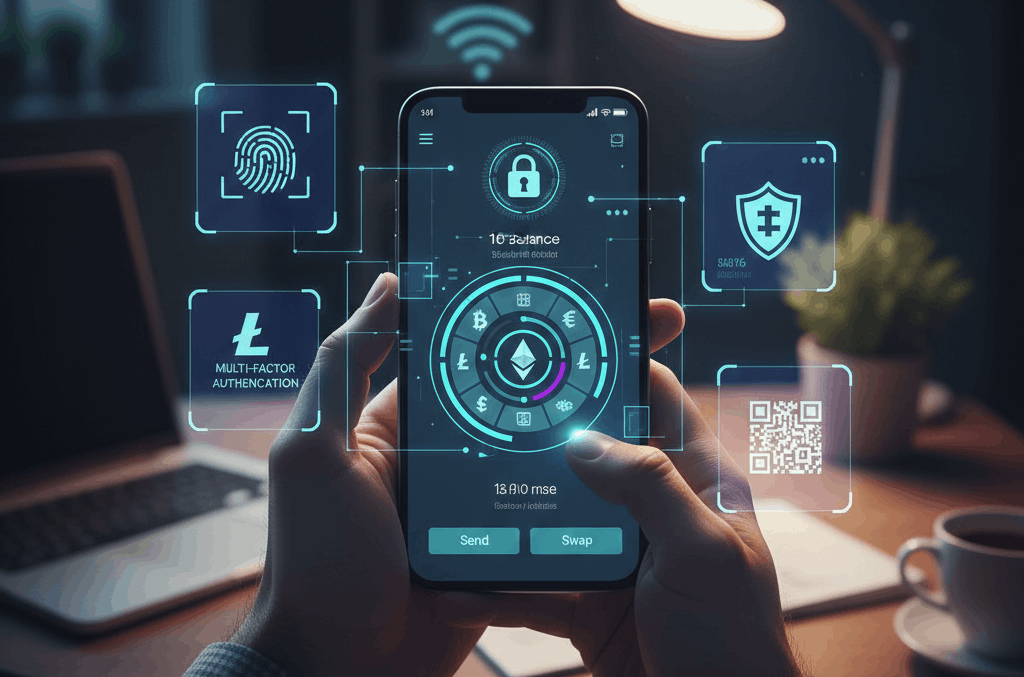
Mobile crypto wallets have revolutionized the way people store, manage, and use cryptocurrency. These wallets are smartphone applications that allow users to securely hold digital assets, send and receive crypto, and interact with decentralized applications (dApps) directly from their mobile devices. With the rise of mobile technology and increasing cryptocurrency adoption, mobile wallets have become essential for both beginners and experienced users seeking convenience, accessibility, and secure management of their digital assets.
Unlike desktop wallets or hardware wallets, mobile crypto wallets offer portability, instant access, and user-friendly interfaces. They combine the functionality of traditional wallets with the security of blockchain technology, allowing users to participate in crypto transactions on the go. Mobile wallets have also become crucial for interacting with decentralized finance (DeFi), NFTs, and Layer 2 solutions, making them a versatile tool for modern crypto users.
What is a Mobile Crypto Wallet?
A mobile crypto wallet is a software application installed on a smartphone or tablet, designed to store private keys and manage cryptocurrencies. These wallets can be custodial or non-custodial:
- Custodial Wallets: The wallet provider manages private keys and backups. Users rely on the service’s security and recovery options.
- Non-Custodial Wallets: Users maintain full control over their private keys, providing more security and autonomy but requiring careful backup management.
Mobile wallets allow users to send and receive cryptocurrency, monitor balances, check transaction history, and interact with dApps. Many wallets also support multiple cryptocurrencies, making it easier for users to manage diverse portfolios in one app.
Key Features of Mobile Crypto Wallets
Modern mobile crypto wallets offer a wide range of features designed to enhance user experience, security, and accessibility:
- Multi-Currency Support: Most mobile wallets support several cryptocurrencies, including Bitcoin, Ethereum, Polygon, and various altcoins.
- Secure Private Key Storage: Wallets encrypt and securely store private keys locally on the device or in a secure cloud, depending on the wallet type.
- QR Code Transactions: Easy scanning of QR codes allows quick sending and receiving of cryptocurrency.
- Integration with dApps: Mobile wallets often include web3 browsers or app connectors, enabling users to interact directly with DeFi platforms, NFT marketplaces, and gaming apps.
- Backup and Recovery: Wallets provide recovery phrases or seed phrases to restore access in case the device is lost or damaged.
These features make mobile wallets ideal for daily crypto use, whether sending funds, staking tokens, participating in DeFi, or collecting NFTs. Ease of use, combined with secure private key management, ensures that users can engage safely with the crypto ecosystem from their smartphones.
Security Measures in Mobile Wallets
Security is a top priority for mobile crypto wallets. Since smartphones are often connected to the internet, wallets implement multiple layers of protection to safeguard user assets:
- Private Key Encryption: Keys are encrypted locally and never shared with the provider in non-custodial wallets.
- Biometric Authentication: Many wallets support fingerprint or facial recognition for an added layer of security.
- Two-Factor Authentication (2FA): Some wallets require an additional verification code for transactions or logins.
- Seed Phrase Backup: Users are given a recovery phrase to restore wallet access if the device is lost or compromised.
- Regular Updates: Wallet providers release updates to patch vulnerabilities and improve security protocols.
Even with these security measures, users must practice safe habits, such as avoiding public Wi-Fi for transactions, keeping backup phrases offline, and using strong device passwords. The combination of wallet security and personal precautions ensures that crypto funds remain protected from hacking and theft.
Popular Mobile Crypto Wallets
Several mobile wallets have gained popularity for their reliability, user experience, and security. Some notable examples include:
- Trust Wallet: A multi-currency, non-custodial wallet that supports Ethereum, Binance Smart Chain, and other networks. Trust Wallet also includes a Web3 browser for interacting with dApps.
- MetaMask: Widely used for Ethereum and Layer 2 solutions. Offers mobile and browser integration, supports NFTs, and provides secure key storage.
- Coinbase Wallet: Non-custodial wallet linked to Coinbase exchange accounts. It provides easy access to DeFi, staking, and NFT platforms.
- Exodus: A user-friendly wallet supporting multiple cryptocurrencies, offering mobile and desktop synchronization, along with portfolio tracking.
- Atomic Wallet: Offers multi-currency support, atomic swaps, staking, and strong security features for mobile users.
Choosing the right mobile wallet depends on user needs, including the types of cryptocurrencies held, security preferences, and desired integrations with dApps and exchanges.
Advantages of Using Mobile Crypto Wallets
Mobile crypto wallets offer several advantages over desktop wallets or paper wallets:
- Portability: Users can access their cryptocurrency anytime, anywhere, directly from their smartphone.
- Ease of Use: User-friendly interfaces allow beginners to send, receive, and monitor crypto without technical expertise.
- Real-Time Notifications: Instant transaction alerts and updates keep users informed about account activity.
- DeFi and dApp Integration: Mobile wallets provide seamless access to staking, lending, and NFT marketplaces.
- Backup and Recovery Options: Seed phrases and secure backups reduce the risk of permanent loss of funds.
These benefits make mobile wallets ideal for both casual users and active crypto participants. Users can manage investments, interact with decentralized finance platforms, and make transactions without being tied to a desktop or hardware device.
Risks of Mobile Crypto Wallets
While mobile wallets provide convenience and access, there are risks associated with using them:
- Device Vulnerability: Smartphones are susceptible to malware, phishing, and hacking attempts.
- Loss or Theft: If the device is lost or stolen, access to the wallet may be compromised without proper backup.
- Custodial Risks: In custodial wallets, the provider holds the private keys, meaning users rely on the provider’s security measures.
- Human Error: Mistyping addresses, losing seed phrases, or falling for scams can result in permanent loss of funds.
To mitigate risks, users should maintain offline backups, use hardware wallets for large amounts, regularly update the wallet app, and avoid sharing sensitive information with unverified sources.
Best Practices for Mobile Wallet Users
To maximize security and usability, mobile wallet users should adopt best practices:
- Use Non-Custodial Wallets: Maintain control of private keys whenever possible.
- Backup Seed Phrases: Store recovery phrases offline in a secure location.
- Enable Biometric Security: Use fingerprint or facial recognition for added protection.
- Update Wallet Software: Keep apps updated to benefit from security patches and new features.
- Avoid Public Wi-Fi: Use secure networks to prevent interception of sensitive data.
- Verify Addresses: Double-check wallet addresses before sending transactions to prevent errors.
Following these practices ensures that mobile crypto wallets remain secure while providing the convenience and accessibility that users expect.
Conclusion
Mobile crypto wallets are essential tools for modern cryptocurrency users, combining portability, security, and usability. They allow users to store, send, and receive digital assets, interact with decentralized applications, and participate in staking and DeFi, all from a smartphone. With proper security practices and informed wallet selection, users can enjoy the benefits of mobile crypto management while minimizing risks.
As cryptocurrency adoption grows, mobile wallets are likely to play an even larger role in mainstream usage. They provide a bridge between traditional finance and blockchain technology, making it easier for individuals to safely access, manage, and use digital assets in everyday life. Whether for casual transactions, investment, or decentralized finance participation, mobile crypto wallets are a key component of the evolving crypto ecosystem.