
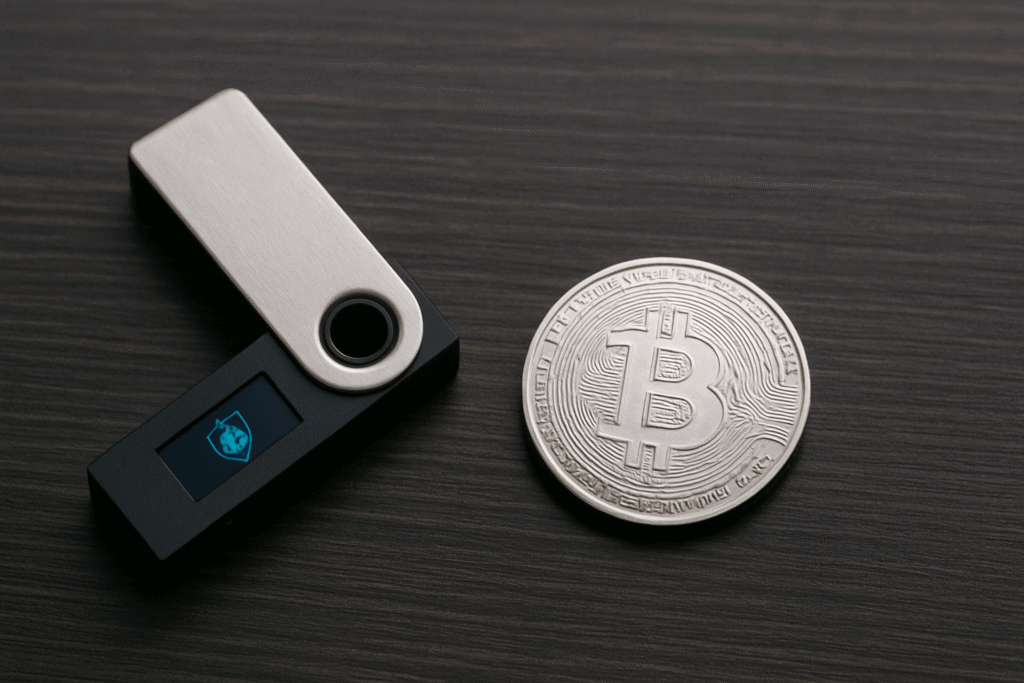
As cryptocurrency adoption continues to grow, protecting digital assets has become more important than ever. One of the most trusted solutions for securing crypto holdings is a hardware wallet. Designed to store private keys offline, a hardware wallet offers a high level of protection against hacking, malware, and unauthorized access.
Unlike software wallets that remain connected to the internet, hardware wallets operate in a secure, isolated environment. This offline design significantly reduces exposure to online threats, making hardware wallets a preferred choice for long-term investors, traders, and anyone serious about crypto security.
What Is a Hardware Wallet?
A hardware wallet is a physical device used to securely store the private keys that grant access to cryptocurrency funds. These devices resemble USB drives or small electronic gadgets and are specifically built to keep sensitive information protected even when connected to a computer or mobile device.
The private keys stored in a hardware wallet never leave the device. Transactions are signed internally, ensuring that critical data is not exposed to the internet or potentially compromised systems.
How a Hardware Wallet Works
When a user wants to send cryptocurrency, the transaction is first created on a connected device such as a computer or smartphone. The transaction is then sent to the hardware wallet for verification and signing.
Once the user confirms the transaction on the hardware wallet itself, the signed transaction is sent back to the network for processing. At no point are private keys exposed online, which is what makes a hardware wallet exceptionally secure.
Why Hardware Wallets Are Considered the Most Secure
Security is the primary reason many crypto users choose a hardware wallet. Because private keys are stored offline, attackers cannot access them through phishing attacks, malware, or compromised websites.
Many hardware wallets also include additional security features such as PIN codes, passphrases, and recovery seed phrases. These layers of protection ensure that even if the physical device is lost or stolen, funds can still be recovered safely.
Hardware Wallet vs Software Wallet
Software wallets are convenient and easy to use, but they remain connected to the internet, making them more vulnerable to cyber threats. Hardware wallets, on the other hand, prioritize security over convenience.
While software wallets are suitable for small balances or frequent transactions, hardware wallets are ideal for storing larger amounts of cryptocurrency or assets intended for long-term holding.
Who Should Use a Hardware Wallet?
A hardware wallet is suitable for a wide range of crypto users. Long-term investors benefit from the enhanced security, while active traders use hardware wallets to protect profits between trades.
Businesses, developers, and institutions also rely on hardware wallets to safeguard digital assets and sensitive cryptographic keys. Anyone who values security and ownership should consider using a hardware wallet.
Supported Cryptocurrencies and Compatibility
Most modern hardware wallets support a wide range of cryptocurrencies, including popular assets such as Bitcoin, Ethereum, and various altcoins. Many devices are compatible with decentralized applications and blockchain networks, allowing users to interact with the broader crypto ecosystem securely.
Hardware wallets often integrate with companion software or third-party wallet applications, offering balance tracking, transaction management, and staking features without compromising security.
Setting Up a Hardware Wallet
Setting up a hardware wallet typically involves initializing the device, creating a PIN code, and generating a recovery seed phrase. This recovery phrase is critical and should be stored securely offline, as it allows users to restore access to funds if the device is lost or damaged.
Users should always purchase hardware wallets directly from official manufacturers or authorized sellers to avoid tampered or compromised devices.
Common Risks and Best Practices
While hardware wallets offer strong security, users must still follow best practices. Sharing recovery phrases, storing them digitally, or falling for phishing scams can still result in loss of funds.
Keeping firmware up to date, verifying transaction details on the device screen, and storing backup phrases securely are essential habits for maintaining maximum protection.
The Future of Hardware Wallet Technology
As blockchain technology evolves, hardware wallets continue to improve. New features such as biometric authentication, secure touchscreens, and enhanced compatibility with decentralized finance platforms are becoming increasingly common.
Hardware wallets are expected to play a central role in the future of self-custody, empowering users with full control over their digital assets in an increasingly decentralized world.
Final Thoughts on Hardware Wallets
A hardware wallet remains one of the most reliable tools for securing cryptocurrency. By keeping private keys offline and under the user’s control, it offers peace of mind in a landscape where digital threats are constantly evolving.
For anyone serious about protecting their crypto assets and embracing true ownership, a hardware wallet is an essential part of a secure crypto strategy.