
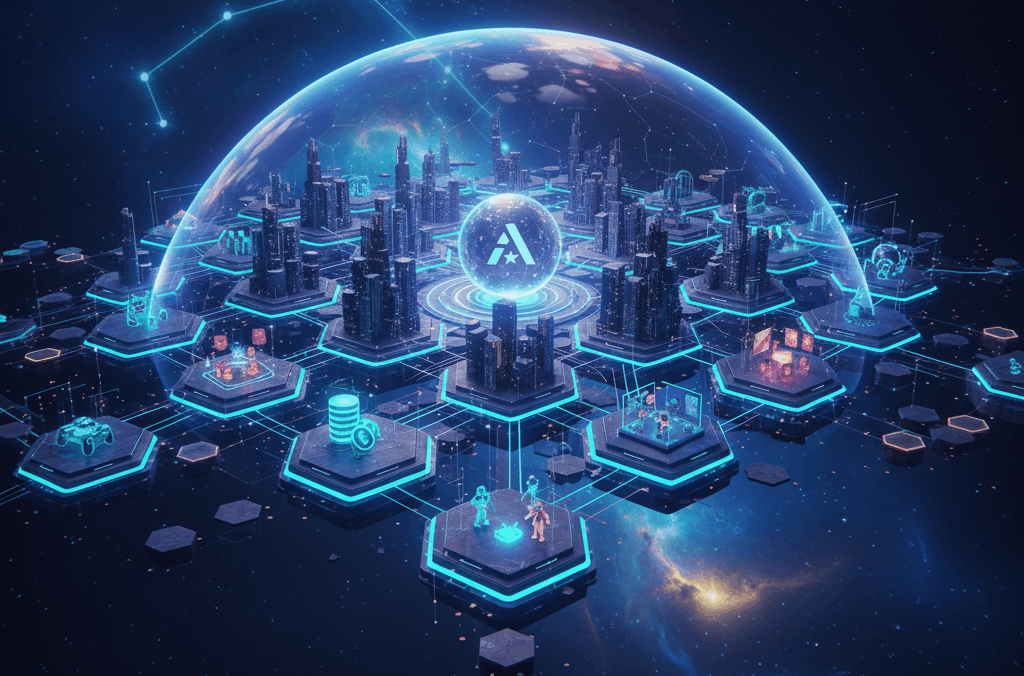
The cryptocurrency market has evolved far beyond simple digital currencies, and one of the most exciting developments in recent years is the rise of smart contract platforms designed to support the future of Web3. Among these platforms, Astar Network and its native token ASTR have gained significant attention. Built to support multi-chain applications and advanced decentralized technologies, Astar aims to bridge the gap between developers, enterprises, and blockchain users. Understanding ASTR crypto requires a deep dive into how Astar Network works, what problems it solves, and why it is becoming a key player in the blockchain ecosystem.
Astar Network is a scalable smart contract platform designed to support decentralized applications across multiple blockchains. It is deeply connected to the Polkadot ecosystem, operating as a parachain that leverages Polkadot’s shared security and interoperability features. The ASTR token serves as the backbone of the network, powering transactions, staking, governance, and developer incentives. As Web3 adoption grows, Astar positions itself as a developer-friendly blockchain capable of supporting real-world use cases.
What Is ASTR Crypto?
ASTR is the native utility token of Astar Network. It is used to pay transaction fees, secure the network through staking, participate in on-chain governance, and reward developers building decentralized applications. Unlike many blockchain projects that focus on a single use case, Astar aims to provide a flexible infrastructure that supports both Ethereum-compatible smart contracts and WebAssembly-based smart contracts. This dual-virtual-machine approach allows developers to build powerful applications using their preferred tools.
One of the most innovative aspects of ASTR crypto is its role in Astar’s unique dApp staking model. Instead of rewarding only validators, Astar allows users to stake ASTR directly on decentralized applications they believe in. This creates a sustainable incentive system where developers earn rewards based on the popularity and utility of their dApps. This model aligns the interests of developers, users, and token holders, making the ecosystem more collaborative and growth-oriented.
The Vision Behind Astar Network
Astar Network was created with the vision of becoming a leading smart contract hub for the Polkadot ecosystem. Polkadot itself is designed to enable interoperability between different blockchains, and Astar extends this vision by focusing specifically on application development. By providing tools, documentation, and incentives, Astar aims to attract developers from traditional web environments as well as experienced blockchain builders.
The project places a strong emphasis on real-world adoption. Instead of targeting only crypto-native users, Astar collaborates with enterprises, governments, and major technology companies, particularly in Japan and Asia. These partnerships help position Astar as a blockchain platform capable of supporting large-scale, compliant, and user-friendly decentralized applications.
How Astar Network Works
Astar Network operates as a parachain on Polkadot, meaning it benefits from Polkadot’s shared security and cross-chain communication features. This allows Astar-based applications to interact with other blockchains in the Polkadot ecosystem seamlessly. Developers can build decentralized applications that leverage data, assets, and functionality from multiple chains without compromising security.
The network supports both Ethereum Virtual Machine smart contracts and WebAssembly smart contracts. This compatibility allows developers to migrate existing Ethereum-based dApps to Astar with minimal changes while also enabling more advanced and efficient applications using WebAssembly. This flexibility makes Astar appealing to a wide range of developers and projects.
ASTR Token Utility and Use Cases
The ASTR token plays a central role in the Astar ecosystem. One of its primary uses is paying transaction fees, which ensures the network operates smoothly and securely. In addition, ASTR is used for staking, allowing token holders to help secure the network and earn rewards in return.
Governance is another important use case for ASTR crypto. Token holders can participate in on-chain voting, influencing decisions related to network upgrades, economic parameters, and ecosystem development. This decentralized governance model ensures that the community has a voice in shaping the future of the network.
The most distinctive use case of ASTR is dApp staking. Users can stake their tokens on specific applications, effectively signaling support and confidence in those projects. Developers receive rewards based on the amount of ASTR staked on their dApps, creating a direct financial incentive to build high-quality and useful applications.
Why Astar Network Matters in Web3
Web3 represents a shift toward decentralized ownership, privacy, and user control. For this vision to become reality, scalable and developer-friendly infrastructure is essential. Astar Network addresses many of the challenges faced by existing blockchains, such as high transaction fees, limited scalability, and lack of developer incentives.
By supporting multiple smart contract environments and integrating seamlessly with Polkadot, Astar enables developers to build cross-chain applications that can reach a broader audience. This interoperability is crucial as the blockchain ecosystem becomes increasingly fragmented, with assets and users spread across many different networks.
ASTR and the Polkadot Ecosystem
Being part of the Polkadot ecosystem gives Astar Network a strategic advantage. Polkadot’s architecture allows multiple blockchains to operate in parallel, sharing security while maintaining their own unique features. As a parachain, Astar benefits from this shared security model, reducing the risk of attacks and improving overall network reliability.
ASTR also benefits from Polkadot’s focus on interoperability. Assets and data can move between Astar and other parachains through cross-chain messaging. This opens up new possibilities for decentralized finance, gaming, NFTs, and enterprise applications that require interaction across multiple blockchains.
Developer Adoption and Ecosystem Growth
Astar Network places a strong emphasis on developer adoption. The platform offers extensive documentation, grants, and support programs designed to help developers bring their ideas to life. The dApp staking model further encourages long-term commitment by providing ongoing revenue opportunities for builders.
The ecosystem includes decentralized exchanges, NFT marketplaces, gaming platforms, and enterprise solutions. As more projects launch on Astar, the utility and demand for ASTR crypto continue to grow. This expanding ecosystem strengthens the network’s value proposition and long-term potential.
ASTR Tokenomics Explained
Tokenomics play a critical role in the sustainability of any blockchain project, and ASTR is no exception. The token supply is designed to balance incentives for validators, developers, and users. Inflation mechanisms are carefully managed to ensure network security while avoiding excessive dilution.
Staking rewards, dApp incentives, and governance participation are all funded through the token economy. By distributing value across different participants, Astar aims to create a self-sustaining ecosystem where growth benefits everyone involved.
Potential Risks and Challenges
Like all cryptocurrencies, ASTR comes with risks. Market volatility can lead to significant price fluctuations, and regulatory uncertainty remains a concern for the broader crypto industry. Additionally, competition among smart contract platforms is intense, with many projects vying for developer attention and user adoption.
However, Astar’s focus on interoperability, developer incentives, and real-world adoption helps differentiate it from competitors. Continued innovation and strategic partnerships will be essential for maintaining momentum and long-term relevance.
The Future Outlook for ASTR Crypto
The future of ASTR crypto is closely tied to the growth of Web3 and the Polkadot ecosystem. As decentralized applications become more sophisticated and interconnected, platforms like Astar that prioritize interoperability and developer support are well-positioned to thrive.
With ongoing upgrades, expanding partnerships, and a growing community, Astar Network aims to become a foundational layer for next-generation decentralized applications. If adoption continues to increase, ASTR could play a significant role in shaping the future of blockchain technology.
Final Thoughts on Astar Network and ASTR
ASTR crypto represents more than just another digital asset; it is the fuel powering an ambitious and innovative blockchain ecosystem. Astar Network’s focus on multi-chain compatibility, developer incentives, and real-world adoption sets it apart in a crowded market. For investors, developers, and Web3 enthusiasts, understanding ASTR provides valuable insight into where the blockchain industry may be headed.
As the crypto landscape continues to evolve, projects like Astar demonstrate the importance of collaboration, scalability, and user-centric design. Whether you are exploring blockchain development or researching long-term crypto opportunities, ASTR is a project worth watching.