
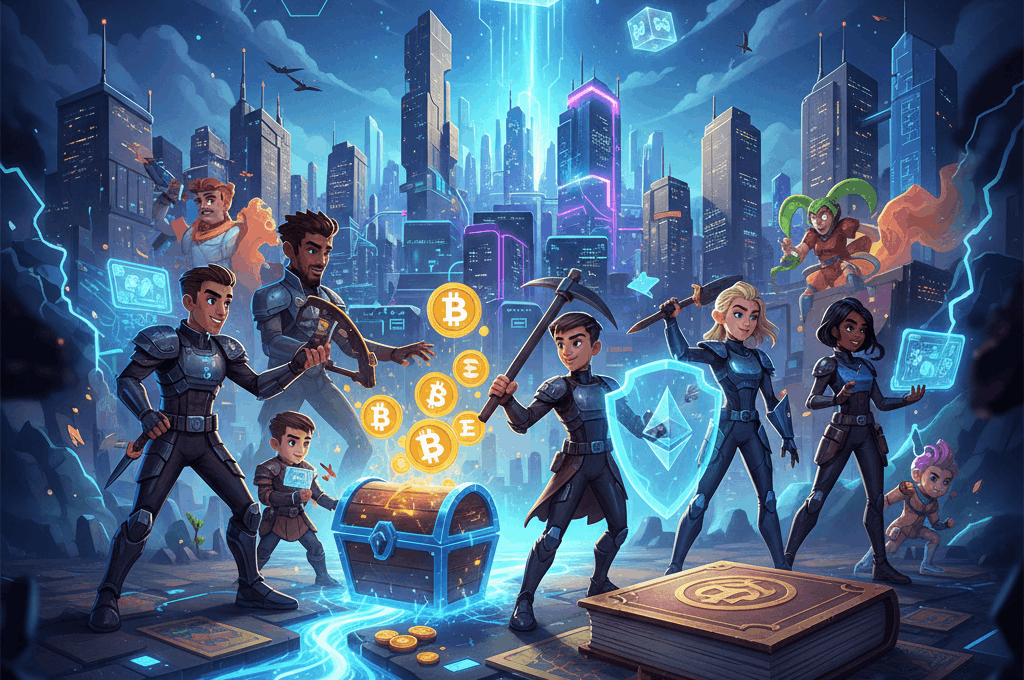
Play to earn is one of the most revolutionary concepts to emerge from the intersection of cryptocurrency and gaming. Unlike traditional video games where players spend time and money without receiving real-world value, play-to-earn games reward players with digital assets that can be traded, sold, or used across blockchain ecosystems. This model has fundamentally changed how people view gaming, turning entertainment into an income-generating activity.
The play to earn movement has gained massive global attention, particularly in regions where gaming income can supplement or even replace traditional jobs. By leveraging blockchain technology, non-fungible tokens, and cryptocurrencies, play-to-earn platforms empower players with true ownership of in-game assets.
What Is Play to Earn
Play to earn refers to a gaming model where players earn cryptocurrency or blockchain-based assets by participating in gameplay. These rewards may include tokens, NFTs, or other digital items that hold real-world value.
Unlike centralized games where assets are controlled by developers, play-to-earn games use decentralized ledgers to record ownership. This allows players to freely trade or sell their earnings outside the game environment.
How Play-to-Earn Games Work
Play-to-earn games are built on blockchain networks that support smart contracts. Players interact with these games using crypto wallets, which store their tokens and NFTs.
Rewards are distributed based on gameplay activities such as completing quests, winning battles, breeding characters, or contributing to in-game economies. Smart contracts automatically handle reward distribution, ensuring transparency and fairness.
The Role of Blockchain in Play to Earn
Blockchain technology is the foundation of play to earn. It enables decentralized ownership, transparent transactions, and trustless systems where players do not need intermediaries.
Each in-game asset exists as a token or NFT on the blockchain, ensuring scarcity and verifiable ownership. This transforms digital items into investable assets.
NFTs and Play-to-Earn Gaming
Non-fungible tokens play a crucial role in play-to-earn ecosystems. NFTs represent unique in-game items such as characters, weapons, skins, land, or pets.
Because NFTs are transferable, players can sell rare assets on open marketplaces. This introduces real economic incentives and secondary markets into gaming.
Play to Earn vs Traditional Gaming
Traditional games operate on a pay-to-play or free-to-play model where players purchase in-game items without gaining ownership. Developers control all assets and can shut down servers at any time.
In contrast, play-to-earn games reward players for time and skill. Ownership resides with the player, not the developer, creating a more balanced economic relationship.
Popular Play-to-Earn Game Categories
Play-to-earn games span multiple genres, including role-playing games, strategy games, trading card games, and virtual worlds.
Some focus on competitive gameplay, while others emphasize exploration, creativity, or community participation. This diversity attracts players from different backgrounds.
Play to Earn Tokens Explained
Most play-to-earn games have native tokens used for rewards, governance, and transactions. These tokens can often be traded on cryptocurrency exchanges.
Token value is influenced by game adoption, utility, token supply, and overall market conditions. Understanding tokenomics is essential for players and investors.
Governance and Community Ownership
Many play-to-earn platforms use decentralized governance models. Token holders can vote on game updates, economic changes, and development priorities.
This community-driven approach aligns incentives between developers and players, fostering long-term engagement.
Play to Earn as a Source of Income
For some players, play to earn has become a meaningful income stream. Earnings depend on skill level, time invested, market prices, and game mechanics.
In certain regions, play-to-earn gaming has created new economic opportunities, particularly for individuals with limited access to traditional employment.
Scholarship Programs in Play-to-Earn Games
Scholarship programs allow players to participate in play-to-earn games without upfront investment. Asset owners lend NFTs to players in exchange for a share of earnings.
This model lowers barriers to entry and expands access to play-to-earn ecosystems.
Risks and Challenges of Play to Earn
Despite its benefits, play to earn comes with risks. Token prices can be volatile, impacting earnings and asset values.
Some games struggle with sustainability if reward structures rely heavily on new players rather than genuine demand.
Play to Earn and Market Volatility
Crypto market fluctuations directly affect play-to-earn economies. Bear markets can reduce rewards, player activity, and NFT demand.
Long-term projects focus on gameplay quality and utility rather than short-term speculation.
Security Concerns in Play-to-Earn Games
Players must protect their wallets and assets from hacks, scams, and phishing attacks. Using hardware wallets and trusted platforms improves security.
Game smart contracts should be audited to reduce technical vulnerabilities.
Regulation and Play to Earn
Play-to-earn gaming exists in a complex regulatory environment. Some jurisdictions classify earnings as taxable income, while others lack clear guidelines.
Understanding local regulations is important for players earning significant rewards.
Play to Earn and the Metaverse
The play-to-earn model is closely linked to the metaverse, where players own virtual land, build experiences, and monetize interactions.
These digital worlds blur the line between gaming, social networking, and digital commerce.
Environmental Impact of Play-to-Earn Gaming
Early blockchain games faced criticism for high energy consumption. Many modern play-to-earn platforms now use energy-efficient blockchains.
Sustainability has become a key focus in game development.
How to Get Started with Play to Earn
Getting started requires a crypto wallet, basic blockchain knowledge, and research into reputable games. Beginners should start with low-risk options.
Learning game mechanics and understanding token economics improves earning potential.
Tips for Maximizing Play-to-Earn Rewards
Successful play-to-earn participants focus on skill development, market timing, and asset management.
Diversifying across multiple games reduces dependence on a single ecosystem.
The Evolution of Play to Earn
Play to earn is evolving toward play-and-earn models that prioritize fun and long-term engagement.
Developers increasingly focus on balanced economies and high-quality gameplay.
Future of Play to Earn Gaming
The future of play to earn includes improved graphics, mainstream adoption, and deeper integration with traditional gaming platforms.
As technology matures, play-to-earn may become a standard feature rather than a niche concept.
Common Misconceptions About Play to Earn
One misconception is that play to earn is easy money. In reality, success requires time, effort, and strategy.
Another myth is that all play-to-earn games are scams, when many legitimate projects exist.
Why Play to Earn Matters for Crypto Adoption
Play to earn introduces blockchain technology to millions of users through entertainment. It simplifies onboarding and demonstrates real-world utility.
This makes play-to-earn gaming a powerful driver of mass crypto adoption.
Conclusion
Play to earn represents a major shift in how people interact with games and digital economies. By rewarding players with real ownership and income opportunities, it challenges traditional gaming models.
While risks remain, the continued evolution of play-to-earn ecosystems suggests a future where gaming, work, and digital ownership coexist in powerful new ways.