
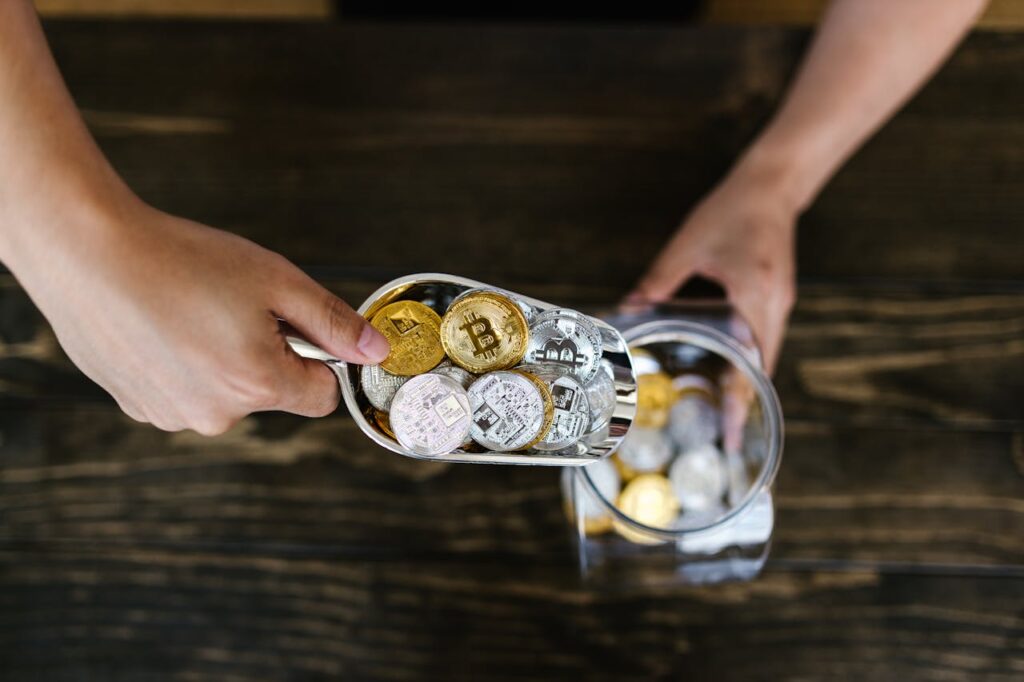
One of the most transformative trends in blockchain is the tokenization of real-world assets (RWAs). In 2025, everything from real estate and commodities to art, stocks, and intellectual property can be represented as digital tokens on the blockchain. This trend is not just about innovation—it’s about making traditional markets more accessible, efficient, and transparent.
1. What Is Tokenization?
Tokenization is the process of converting ownership rights of real-world assets into digital tokens on a blockchain. Each token represents a share, unit, or proof of ownership in an underlying asset. These tokens can be transferred, traded, or used in smart contracts—just like cryptocurrencies.
Think of it as turning a building, a gold bar, or even a song into a tradable digital asset.
2. Real Estate: Breaking Down Barriers
Real estate is one of the most active sectors in tokenization. In 2025, platforms allow users to buy fractions of high-value properties using stablecoins or crypto. This makes property investment accessible to a wider audience, removing the need for large capital or complex paperwork.
Tokenized real estate also offers increased liquidity—investors can sell their shares on secondary markets instead of waiting months to sell an entire property.
3. Commodities on the Blockchain
Gold, silver, oil, and other commodities are also being tokenized. Projects like PAX Gold (PAXG) and Tether Gold (XAUT) allow users to own grams of physical gold stored in vaults. These tokens can be moved 24/7, traded on DeFi platforms, and even used as collateral for loans—all without needing to physically store or ship the asset.
4. Tokenizing Art and Intellectual Property
Art collectors and creators are using blockchain to tokenize ownership of physical artworks, music rights, and patents. This allows artists to receive royalties in real time and enables fans to invest in creators. Fractional ownership of artwork, powered by NFTs and smart contracts, is also enabling new investment models for the art world.
5. Tokenized Equities and Bonds
Traditional financial instruments like stocks and bonds are now being tokenized for faster settlement and 24/7 trading. Platforms like Synthetix, Ondo Finance, and RealT are bridging traditional assets with DeFi liquidity. Tokenized treasuries and corporate debt instruments offer yield opportunities to crypto-native investors while staying compliant with regulations.
6. Benefits of Asset Tokenization
- Liquidity: Fractional ownership and 24/7 trading increase market liquidity.
- Accessibility: Anyone with a crypto wallet can invest in high-value assets.
- Transparency: Transactions are recorded on-chain for public auditability.
- Efficiency: Smart contracts automate payments, compliance, and settlements.
7. Challenges to Watch
Despite its potential, tokenization faces legal, technical, and regulatory hurdles. Questions around asset custody, cross-border laws, and investor protection remain complex. Additionally, not all markets have embraced blockchain integration at the same pace, creating fragmentation in adoption.
Final Thoughts
Tokenization is more than a trend—it’s a fundamental shift in how we think about ownership and access. In 2025, real-world assets are no longer bound by borders or bureaucracy. Through blockchain, they’re being unlocked, fractionalized, and democratized like never before.
When everything becomes tokenized, the entire world becomes investable.